What’s a PAT Tester and Why Do I Need One?
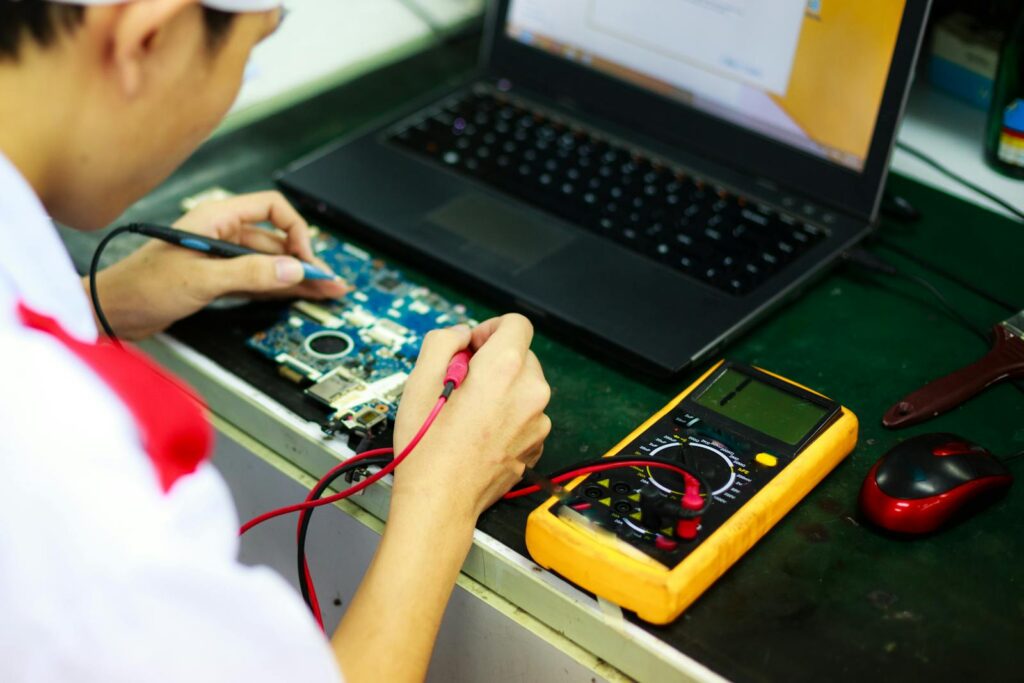
A portable appliance tester, also called a PAT tester, is a device used to check the safety of an electrical appliance and determine whether it is safe to use. If you’re a business owner, you can get PAT tester equipment from a supplier like RS to help you eliminate workplace hazards and ensure the safety of your employees. The device can also help landlords prevent accidents or damage to furnished properties.
What Does PAT Testing Involve?
PAT testing includes visual inspections and more in-depth electrical tests to verify that an appliance is in good working condition and poses no electrical risk to users. Some tests a PAT tester can perform include lead polarity, insulation resistance, and earth continuity resistance.
This is done by connecting the PAT tester to the electrical appliance and selecting a test on the screen to run it.
Types of PAT Testers
The most common types of PAT testers are Pass / Fail and Advanced Testers.
Pass / Fail Testers
These are basic testers that are suitable for landlords and business owners who do their own testing. They are simple to use and simply return a Pass or Fail when a test is run. If the device you’re testing works correctly, the PAT tester displays a PASS on the screen. Otherwise, it shows a FAIL.
These PAT testers can measure various parameters, including polarity, earth continuity, and insulation resistance. However, their results are vague compared to those of advanced testers. This limitation makes them unsuitable for high-volume PAT testing.
Advanced Testers
Advanced models display more detailed results and usually require a trained professional to interpret the data. They measure fuse integrity and earth leakage in addition to polarity, continuity, and insulation resistance.
These testers are ideal for larger businesses that require comprehensive testing. Some advanced testers record data and allow you to download or transfer it to your computer.
Benefits of a PAT Tester
PAT testing is one of the best ways to eliminate electrical hazards in your building or workplace. Getting a PAT tester can help you avoid the cost of hiring a professional for minor checks and ensure your work environment is safe at all times.
Below are some of the benefits of using a PAT tester.
Improves Safety
Frequently testing your appliances can prevent hazards like electrical shocks, burns, and even fires. It allows you to protect your tenants or employees from harm by identifying and dealing with any risks.
Investing in safety with a PAT tester can also give your employees peace of mind and help your workplace run much smoother. In some cases, you may even receive lower insurance premiums if you can demonstrate consistent appliance testing and safety practices.
Regularly testing appliances can also be a cost-effective way to maintain a safe rental environment. According to Electrical Safety First, 90% of the fires in UK homes caused by electricity were caused by faulty appliances. Ensuring tenants have safe electrical appliances can also prevent potential damage to your property.
Compliance with Safety Regulations
While PAT testing isn’t legally required in the UK, safety regulations require employers to ensure their electrical equipment is safe. PAT testing can help you show compliance with safety regulations and help you avoid liabilities and legal consequences.
Reducing Long-Term Costs
PAT testing can reduce maintenance costs and even extend the lifespan of your appliances. For instance, detecting a frayed wire or loose connection early on lets you prevent minor issues from developing into more serious, costly repairs or replacements.
In addition, regular PAT testing ensures fewer disruptions to business operations due to appliance failure. In the long run, you will save time and money, as well as the potential headaches that come from unexpected appliance failures.