Analysis Reveals Why 17% of All UK Business Failures Are Construction Firms (And How to Avoid Becoming One of Them)
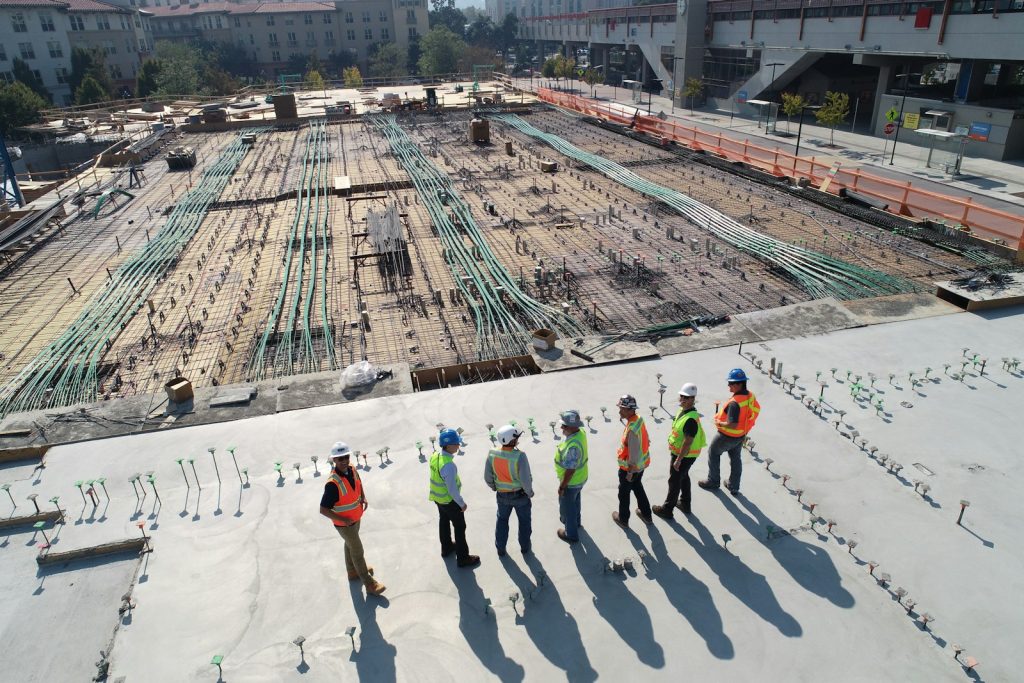
The numbers are stark and sobering. According to an analysis of the latest government data by business management software Klipboard.com, construction firms now account for 17.7% of all business insolvencies in England and Wales, making it the single largest contributor to UK business failures. With 389 construction companies entering insolvency in April 2025 alone, the sector continues to face unprecedented challenges that are pushing even established firms to the brink.
Behind every number is a business owner who built something from nothing, employed local workers, and contributed to their community. Understanding why this crisis is happening and what successful firms are doing differently could mean the difference between survival and becoming another statistic.
The Scale of the Crisis
Klipboard’s analysis paints a concerning picture. In the 12 months ending March 2024, construction experienced 4,274 business failures, which is more than any other industry. This represents a significant increase from pre-pandemic levels, with insolvencies running 25.8% higher than in 2019.
The pattern is consistent across the UK. Even in Scotland, where construction typically shows more resilience, 194 firms failed in the year to March 2025. What makes these figures particularly alarming is that construction firms represent only 14% of all registered businesses, yet account for nearly one in five failures.
Within the sector, specialists are being hit hardest. Electrical, plumbing, and installation companies accounted for 86 insolvencies in March alone, while envelope and fit-out businesses contributed 74 failures. These aren’t just micro-businesses struggling to get started. Established contractors with years of trading history are collapsing under pressures that many say are unlike anything they’ve experienced.
Why Construction Firms Are Failing
Restricted Cash Flow
Late payments remain the industry’s biggest killer. While other sectors typically operate on 30-day payment terms, construction firms routinely wait 60-90 days for payment, with some reporting delays extending beyond 120 days. When clients delay payments, contractors face an impossible situation: they still need to pay wages, suppliers, and overheads, but their income has vanished.
The problem cascades through the supply chain. When a main contractor delays payment to a subcontractor, that subcontractor may struggle to pay their own suppliers, creating a domino effect that can bring down multiple businesses simultaneously.
Rising Costs on Fixed-Price Contracts
Inflation has driven material costs up significantly, with building costs predicted to rise 17% over the next five years according to BCIS forecasts. For contractors working on fixed-price contracts agreed months ago, this creates an impossible squeeze. They’re legally committed to delivering projects at pre-agreed prices while facing dramatically higher input costs.
Copper, which hit an all-time high in Q2 2024, is expected to rise a further 2.2% by 2025. Lumber prices have surged due to international supply chain constraints. Cost rises of this scale represent a fundamental shift in project economics that many contractors simply didn’t — and perhaps even couldn’t — anticipate when pricing their work.
The Race to the Bottom
Industry experts describe a culture of “race to the bottom” tendering, where contractors compete primarily on price rather than value. This commoditisation trap results in wafer-thin margins that leave no buffer for unexpected costs or delays.
When procurement processes favour the lowest bid above other factors like quality, delivery capability, or financial stability, contractors feel pressured to submit unrealistic prices just to win work. The result is projects that are loss-making from day one in the hopes of securing follow-on work.
Working Capital Shortages
Many construction failures can be traced back to working capital problems. Unlike other industries where inventory can be easily liquidated, construction firms often have significant funds tied up in work-in-progress that can’t be quickly converted to cash.
The situation is worsened by retention practices, where clients hold back 5-10% of payments for months after the project has been completed. For a smaller contractor, these retained amounts can represent significant portions of their available cash.
How Successful Firms Are Protecting Themselves
Rigorous Project Selection
The most resilient construction firms have become highly selective about the projects they pursue. Rather than bidding for everything available, they focus on clients with proven payment histories and projects where they can add genuine value beyond just being the cheapest option.
This means walking away from tenders where the price expectations seem unrealistic or where payment terms are unacceptable. It takes discipline, but it’s far better to have fewer, profitable projects than many loss-making ones.
Robust Financial Management
Successful firms treat financial management as seriously as they treat health and safety. This means having real-time visibility into cash flow, project profitability, and resource allocation.
Modern business management systems enable construction firms to track costs against budgets in real-time, identify problems before they become critical, and make data-driven decisions about resource allocation.
Improved Client Vetting
Smart contractors now conduct thorough due diligence on potential clients before committing to projects. This includes checking payment histories, financial stability, and references from other contractors. Some firms use credit monitoring services to stay informed about their clients’ financial health throughout project duration.
Diversification
Rather than relying on a few large contracts, resilient firms spread their risk across multiple smaller projects and different market sectors. This approach means that if one client has problems or one market segment slows down, the business can continue operating.
Enhanced Payment Terms
Forward-thinking contractors are renegotiating payment terms to improve cash flow. This includes requesting larger upfront payments, shorter payment periods, and penalties for late payment. While not all clients will accept these terms, those who do are typically more reliable partners.
Technology and Adaptation
The firms that are thriving in this challenging environment share one common characteristic: they’ve embraced technology to improve efficiency and reduce costs. Digital transformation is more about survival than simply staying current with industry trends.
Building Information Modelling (BIM) helps prevent costly mistakes and rework. Project management software ensures better coordination between teams. Financial management systems provide the real-time data needed to make crucial decisions quickly.
Companies that have integrated comprehensive business management platforms report significant improvements in project profitability and cash flow management. When every hour saved and every cost avoided can make the difference between profit and loss, these efficiencies become critical.
The Road Ahead
The construction industry faces continuing challenges through 2025. Although the BoE base rate is forecast to drop, interest rates remain elevated, affecting both project funding and working capital costs. Building costs continue to rise, and the skills shortage shows no signs of easing.
However, firms that take proactive steps to address cash flow management, improve project selection, and invest in better business systems are not just surviving – they’re positioning themselves to thrive when conditions improve.