Best Practices for Cleaning Sensitive Electronic Equipment
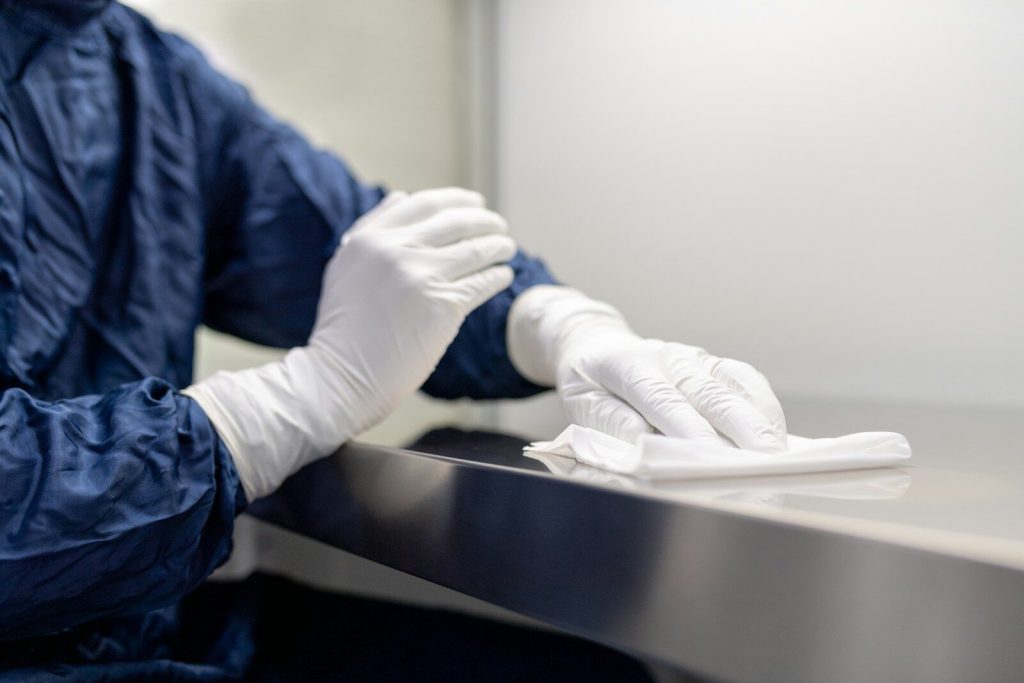
Appropriate cleaning of sensitive electronic equipment can help maintain reliable operation, performance, and service life.
The use of suitable electronics cleaners can be key to removing unwanted residues from delicate components and assemblies, without unnecessarily heightening the risk of damage.
Whether it is industrial control systems, circuit boards, connectors, switches, and/or other electronic equipment that need to be cleaned, these generally recommended practices can help ensure a thorough and safe job is done.
- Always Adhere to The Manufacturer’s Guidance
Before the cleaning of electronics equipment begins in earnest, maintenance personnel should check the instructions provided by the manufacturer of the given device or machine, as well as any associated maintenance documentation.
Components can, after all, differ greatly in their material properties and cleaning requirements. The manufacturer guidance may therefore be useful in specifying what types of cleaning products would be suitable, the solvents or chemicals that should be avoided, whether components ought to be removed before cleaning, and other crucial insights and information.
- Isolate Equipment Before Cleaning
Maintenance staff should always account for electrical safety before they proceed to clean sensitive equipment.
This may involve switching off certain devices and isolating them from their electrical supply. Depending on the equipment, it might also be necessary for stored electrical, mechanical, pneumatic, hydraulic, or other forms of energy to be safely released.
The exact isolation procedure that will need to be followed will depend on the specific equipment and the working environment. Maintenance activities should be properly planned and carried out in accordance with relevant risk assessments and site safety procedures.
- Choose A Cleaner Formulated with Electronics in Mind
It should never be assumed that a given general-purpose household or industrial cleaner will be suitable for cleaning certain electronic equipment. Some cleaning products contain ingredients that can leave residues or cause damage to key electronics parts or materials, such as plastics and coatings.
Specialist electronics cleaners are available for the cleaning of circuit boards, contacts, switches, and other electronic assemblies. However, to determine the suitable cleaning products for a given task, maintenance personnel will need to consult the equipment manufacturer’s recommendations.
Furthermore, these staff members may need to factor in such aspects as the cleaner’s material compatibility, residue characteristics, evaporation rate, flammability, electrical conductivity, and application method.
- Remove Loose Dirt and Debris Carefully
Before a liquid or solvent-based cleaner is applied to sensitive electronic items, it can be a good idea to eradicate any loose dust and debris.
However, care must be taken here. Aggressive brushing, wiping, or high-pressure compressed-air cleaning may push debris further into equipment or bring about damage to components.
Where appropriate, then, maintenance teams will need to use the specific tools and techniques recommended for the particular equipment being cleaned. As part of this, they must avoid applying excessive force to potentially fragile parts like circuit boards, connectors, or pins.
- Apply Cleaning Products Gently
The method used to apply cleaning products can be no less important than the choice of cleaning product. The objective should be ensuring the effective removal of contamination, at the same time as minimising unnecessary exposure of components to liquids or solvents.
So, the maintenance staffer undertaking the task should apply only an appropriate amount of cleaner to the area that needs to be treated, to help limit excess fluid.
The instructions provided with the cleaning product itself should always be followed, too. This includes any recommendations in relation to ventilation, personal protective equipment (PPE), and how the cleaning product is to be applied.
Where equipment contains components sensitive to electrostatic discharge (ESD), appropriate electrostatic-control measures should also be followed. These steps will need to include the use of suitable ESD-safe tools and work practices where specified by the manufacturer.
- Allow Components to Dry Completely
Only once the electronic equipment is suitably dry should the cleaning process be regarded as complete.
This is not a stage that should be rushed. Bear in mind, for example, that while certain equipment might appear dry on the surface, liquid may still linger for some time in components, cavities, and other enclosed areas.
The cleaner manufacturer’s instructions, as well as the guidance provided by the equipment manufacturer, will give important information on drying requirements and, where applicable, recommended waiting times before equipment can safely be returned to service.
- Inspect Equipment After Cleaning
Cleaning provides a useful opportunity to look over electronic assemblies for the classic indicators of deterioration.
So, once the cleaning has been done and the equipment is safe to examine, maintenance team members should keep an eye out for such issues as corrosion, connector damage, loose components, cracked circuit boards, signs of moisture ingress, and areas of discolouration.
The Final Word: Genuine Care with Cleaning Translates into Genuine Results
Ultimately, the cleaning of sensitive electronic equipment needs to involve more than simply the removal of visible dirt.
As far as delicate components and assemblies are concerned, it is hugely important to turn to the correct products, application methods, and safety precautions.
When incorporated into a planned maintenance programme, careful electronic cleaning can make a fundamental difference to the cleanliness, dependability, and continued operation of equipment across a broad range of working environments.