Top 5 benefits of a heat pump system over a gas boiler
The huge increase in energy prices means that homeowners and businesses have never been more worried about current and future heating costs, despite the Energy Price Cap support from the government.
As energy costs remain high, and the gas boiler ban nears closer in 2025, could heat pumps be the future of heating our homes that are both efficient and compliant with regulations?
The experts at Abode have answered some common questions and shared the benefits of a heat pump system over traditional gas boilers.
Heat pumps collect low temperature energy from the outside air, ground, or water, and create higher temperatures to provide all the heating and hot water needs for a home or commercial building. The heat pump uses a small amount of electricity to compress this low temperature energy from outside, to create higher temperature energy inside.
Air Source vs Ground Source Heat Pumps
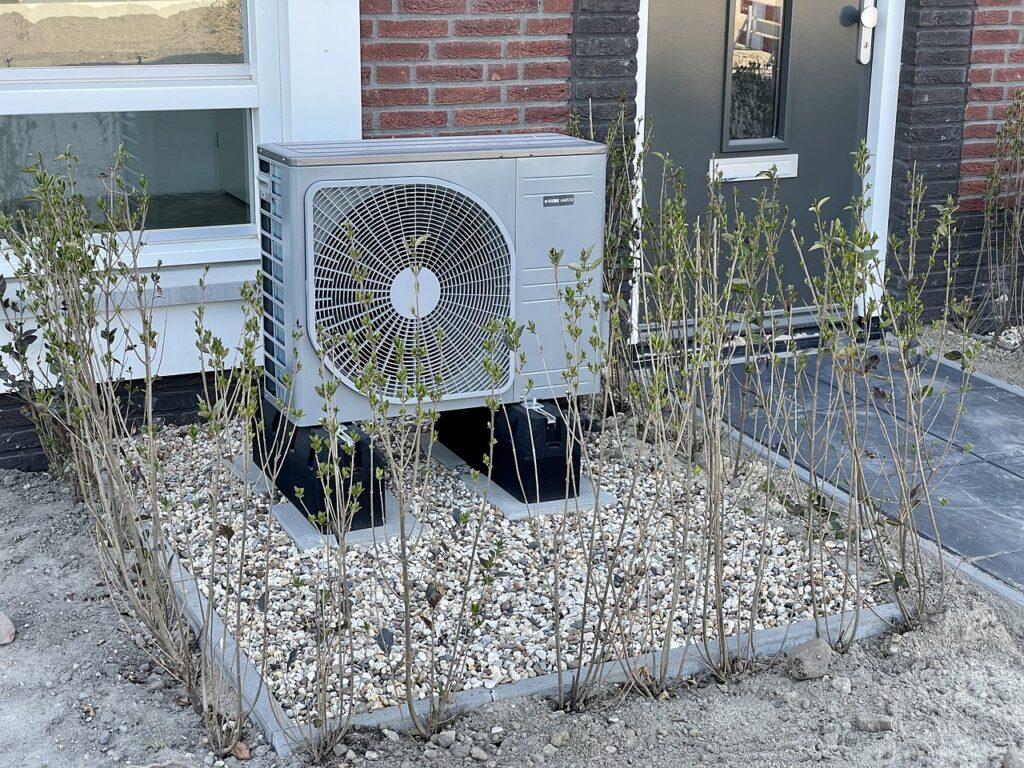
Air source heat pumps look and operate like air conditioning units. The difference is that a heat pump uses the outside ambient air temperature to create heat inside the home or commercial building, and not cooling. The air source heat pump then compresses the energy to raise the temperature, and then transfers this higher temperature energy to the heating and hot water systems.
Ground source heat pumps collect heat from the ground by circulating fluid within horizontal ground loops laid in trenches or vertical u-tubes within a borehole. The fluid is warmed by the ambient ground temperature. The ground source heat pump then compresses the energy to raise the temperature, and then transfers this higher temperature energy to the heating and hot water systems.
Here are the top 5 benefits of having a heat pump system over a traditional boiler:
1) They are cost-effective
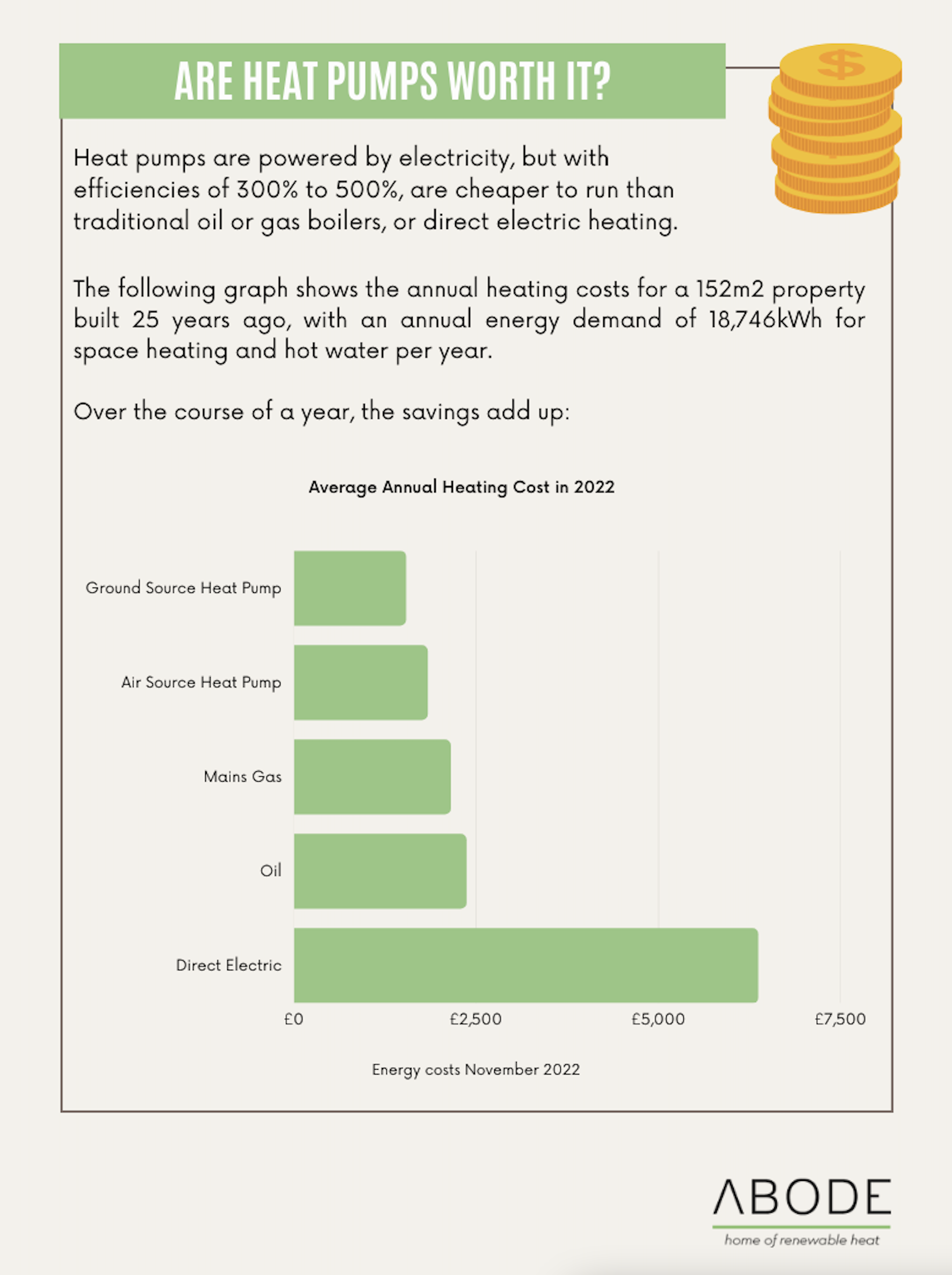
Air source heat pumps typically produce over 3kW of heat for every 1kW of electricity they consume. This 300% heat pump efficiency compared to the 80-95% boiler efficiency means heat pumps are a more efficient option for your home and business compared to traditional boilers.
Ground source heat pumps also have an astounding four times the efficiency of a gas boiler, according to the Heat Pump Association. This better use of energy means a reduction in running costs and maintenance costs for a business or home, depending on other factors such as the type of building.
2) Improved air quality
Heat pumps constantly circulate air in a building, so the systems can see an improvement in indoor air quality. Likewise, in terms of outdoor air quality, they don’t involve burning fossil fuels so are better for the planet’s air too.
3) Better for the environment
The UK government is banning installation of new gas boilers from 2025, as part of its ‘net zero’ in carbon emissions ambitions for 2050.
Heat pumps have great CO2 savings per year. Gas boilers, however, need three times more energy to do the same job as a heat pump. Additionally, if renewable electricity is used for a heat pump, you could get some fantastic eco credentials to achieve greener business goals too, or make better eco-conscious decisions as a homeowner.
4) They are safer
Air and ground source heat pumps are safer than an average gas boiler since they have no risk of carbon monoxide build-up or leaks. For consumers, this means a peace of mind in a safer home, and for businesses it offers assurance that there is no risk to employees’ working environment.
5) Financial support
Although the long-term benefits outweigh the upfront costs of heat pumps, it is still expensive for businesses or homeowners to upgrade to a more sustainable heating system. For developers and builders, it is best to adopt heat pumps from the building stage.
The government is offering financial support and grants through the Boiler Upgrade Scheme for businesses though, so they can apply for funding for £5000 for an air source heat pump or £6000 for a ground source heat pump.