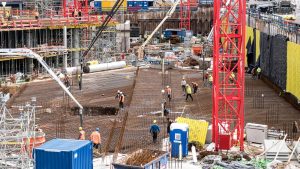
Guide to Trenching in Construction: Techniques, Applications, and Benefits

Trenching in construction involves creating a narrow excavation below the surface using a machine called a trencher. Unlike ditches, trenches are deeper than they are wide, and they are narrower relative to their length compared to holes or pits. This specific type of excavation is crucial for various construction and civil engineering projects, enabling the installation of utilities and infrastructure below ground.
What’s the Difference Between Trenching and Excavating?
Understanding the distinction between trenching and excavating is important for anyone involved in construction. While all trenches are a form of excavation, not all excavations qualify as trenches. Excavation refers to any man-made trench, cavity, or depression formed by removing earth from below the ground’s surface. This could include anything from a small hole to a large pit. A trench, however, is defined by its narrow and elongated shape. Typically, a trench is deeper than it is wide and does not exceed 15 feet in width. This precise definition helps in planning and executing specific construction tasks that require such an excavation.
What Are Trenches Used For?
Trenching serves multiple purposes in construction and civil engineering. Its primary use is for laying various types of infrastructure underground. Here are some common applications:
- Laying Pipes: Trenches are essential for installing water pipes, sewage lines, and gas pipelines. These trenches need to be precise and follow strict guidelines to ensure the pipes are laid correctly and securely.
- Electrical Cables: Trenches provide a safe pathway for laying electrical cables, ensuring they are protected from damage and easily accessible for maintenance.
- Telecommunication Lines: Telephone and internet cables are often laid in trenches to keep them secure and minimise interference.
- Residential Projects: On a smaller scale, trenching is used for home irrigation systems, plumbing connections, and installing cables for electricity and heating systems.
- City Infrastructure: In urban areas, trenching is crucial for installing drainage systems, sewer lines, and city-wide electric lines. These projects often require extensive planning and coordination to ensure minimal disruption to existing infrastructure and services.
Types of Trenches
Different projects require different types of trenches, each suited to specific needs and conditions. The shape and design of a trench are influenced by factors such as soil type, the size of the pipes or cables to be installed, proximity to other structures, and the overall location of the trench. Here are some of the most common types:
- Straight Trenches: These have sides that are parallel and perpendicular to the base. They are straightforward to dig and are often used for installing smaller pipes and cables.
- Sloped Trenches: These trenches have sides that are angled to prevent cave-ins. They are commonly used for installing larger pipes or culverts, especially in areas with unstable soil.
- Benched Trenches: The sides of these trenches are cut into steps or benches. This design helps in stabilising the trench walls and is often used in deeper excavations.
- Bell-Bottom Pier Holes: These trenches have a top that is narrower than the bottom, creating a bell shape. This design is often used for footing installations that support a structure’s foundation, providing a stable base.
Trenching Safety
Trenching, while essential, can be hazardous if not done properly. The risks involved in trenching can lead to serious injuries or even fatalities. Therefore, it is crucial to follow safety guidelines and standards to protect workers. Here are some of the primary hazards associated with trenching:
- Cave-ins: These are the most common and dangerous trenching hazards, often leading to worker fatalities.
- Falling Loads: Equipment, debris, or loads can fall into the trench, posing a significant risk to workers.
- Hazardous Atmospheres: Trenches can expose workers to dangerous gases or lack of oxygen.
- Accidents with Earthmoving Equipment: Heavy machinery used in trenching can cause accidents if not operated properly.
- Slip and Fall Accidents: Trenches can be slippery, increasing the risk of falls.
- Electrocution: Hitting underground electrical lines can result in serious injuries or death.
To mitigate these risks, it is essential to adhere to OSHA excavation standards. Here are some key safety practices:
Install Protective Systems
Protective systems are designed to prevent cave-ins and are mandatory for trenches deeper than 5 feet. The type of protective system used depends on various factors, including soil type, water content, and the depth of the trench. Common protective systems include:
- Sloping: This involves cutting the sides of the trench at an incline to create a slope, reducing the risk of cave-ins.
- Benching: This method cuts the trench walls into horizontal steps or benches, providing additional stability.
- Shoring: This involves bracing the trench walls with support systems made from timber, hydraulic pistons, or steel to support the structure until the underground construction is complete.
- Shielding: Trench shields or trench boxes are installed to protect workers from the weight of the soil in the event of a cave-in.
Employers must choose the most practical system that provides the necessary level of protection to ensure worker safety.
Pinpoint Utility Lines Before Digging
One of the most critical steps before starting any trenching project is to locate any underground utilities on-site. This step is crucial to prevent hitting gas, water, or electrical lines, which can cause serious injuries or leaks. Excavators are required by law to contact local utility workers before beginning any trenching project. This can be done by calling your local 811 agency to request that surrounding utility lines be marked before starting work.
Check Trench Sites Daily
Ensuring trenching safety involves routinely inspecting the trench site for potential hazards like collapses or cave-ins. These inspections should be carried out before starting work each day and periodically throughout the project. If unsafe conditions are identified, workers should be removed from the site until proper safety measures are reestablished.
Design Safe Access and Egress Points
For trenches deeper than 4 feet, it is necessary to have safe access and egress points, such as ladders or ramps. These points should be installed no more than 25 feet from where the workers are located to ensure they can quickly and safely exit the trench in case of an emergency.
By following these guidelines and implementing robust safety measures, trenching can be performed effectively while minimising risks to workers. Trenching remains a vital aspect of modern construction and civil engineering, facilitating the installation of essential underground infrastructure.