Why it’s important for electricians to have the right tools
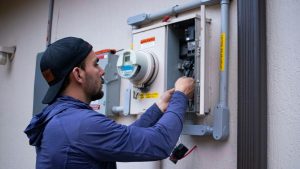
Homeowners and tenants in both residential and commercial properties need electrical circuits to be in good working order. We will automatically search for a professional who can come out to assess any issues as soon as possible.
As well as requiring specific training in order to provide safe, useable electrics in a property, it’s vital that your electrician has the right tools for the job. Here, we look at the tools needed and why choosing the right ones is important.
The basics
Electricians require a variety of tools to perform basic tasks effectively. Some of the most common pieces of kit you’ll find in their toolbox include:
- Screwdrivers and nut drivers: These are insulated tools that are used to install and remove screws and bolts in electrical fixtures and panels.
- Pliers: Different types of pliers, such as needle-nose, side-cutting, and tongue-and-groove, are used for gripping, twisting, cutting, and bending wires.
- Wire strippers: These are used to remove the insulation from electrical wires, preparing them for connections.
- Voltage tester: A non-contact voltage tester helps to quickly check if a wire or an electrical device is live.
- Fish tape: This is used for pulling wires through conduits, ensuring that cables can be routed efficiently and safely through walls and other tight spaces.
Why have the right tools at the ready?
Ensuring safety and compliance
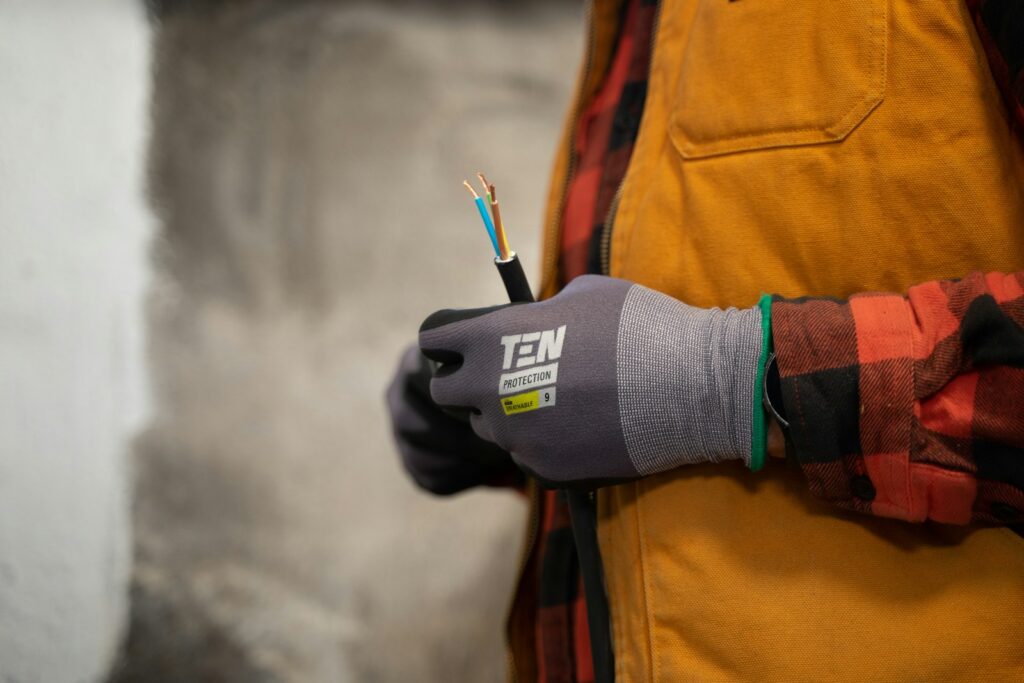
Working with electricity involves risk, and using substandard or inappropriate tools can lead to accidents, injuries, or even fatalities. For instance, insulated screwdrivers and pliers are designed to protect against electric shocks. Without these, an electrician is at risk every time they handle live wires.
In the UK, there are strict safety regulations, such as those set out by the Electrical Safety Standards in the Private Rented Sector (England) Regulations 2020, which mandate the use of proper tools and techniques. Following these regulations not only protects the electrician but also ensures legal compliance.
Efficiency and productivity
Tasks that would be time-consuming and challenging with improper equipment become straightforward with the right tools. For example, a wire stripper allows for quick and clean stripping of insulation from wires, compared to the time-consuming and potentially damaging method of using a knife or standard pliers.
These tools streamline the workflow, allowing electricians to complete jobs faster and with higher precision.
Quality of work
Having the correct tools for the job makes it more likely that the electrician will do a high-quality job first time. Investing in a robust toolkit means there’s an increased likelihood of creating reliable connections and reducing the likelihood of future electrical failures.
Poor quality or improper tools can lead to work that’s below standard. This poses risks to those who are using the electrical systems and can also be damaging for the electrician’s reputation. Any tradesperson’s career is built on their reputation. This is how they get future work, so it’s vital they do a great job that’s precise and safe.