Leveraging VRF Systems for Custom Comfort Zones in High-Traffic Commercial Spaces
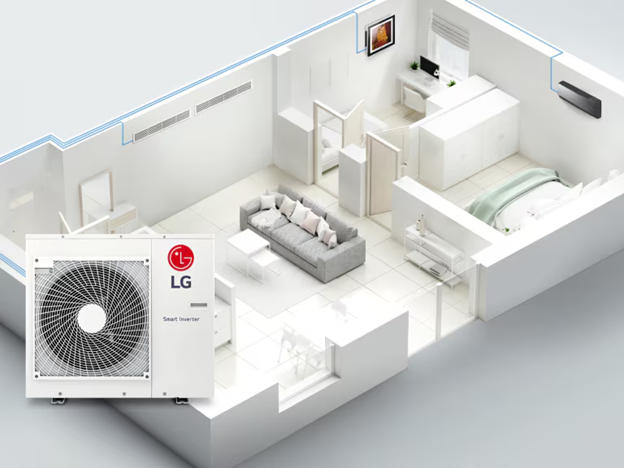
Variable Refrigerant Flow (VRF) systems have emerged as a leading HVAC solution for high-traffic commercial spaces that require custom climate control across different areas. VRF systems allow for advanced temperature control by using a system of outdoor units connected to multiple indoor units, each set to respond individually to the specific heating or cooling needs of its designated zone. With efficiency, flexibility, and precision, VRF systems offer ideal HVAC solutions for businesses with diverse space requirements, providing balanced comfort while conserving energy.
What Makes VRF Systems Unique in Commercial Spaces?
Unlike traditional HVAC systems that distribute air uniformly, VRF technology adjusts refrigerant flow based on the specific cooling or heating demands of each zone. This zoned approach is especially beneficial in commercial spaces where different areas experience varied levels of activity and environmental exposure. For instance, a lobby exposed to more natural light may require continuous cooling, while a conference room that’s only occupied intermittently can be set to adjust its temperature as needed.
In high-traffic spaces such as office buildings, hotels, or shopping centers, VRF systems allow for an efficient way to tailor comfort across a multi-zone environment. The ability to simultaneously cool and heat different areas based on specific needs contributes not only to a comfortable environment but also to significant energy savings.
Optimizing Comfort Across Custom Zones
VRF systems can adapt to diverse layouts and high-traffic demands within commercial spaces. Imagine a large office building with separate floors for open-plan workspaces, conference rooms, and individual offices. With traditional systems, these zones might all be subjected to the same level of air conditioning, potentially leading to discomfort and unnecessary energy expenditure.
By dividing an area into specific comfort zones, VRF systems ensure that each space can be individually managed. Open workspaces can maintain a cooler, consistent temperature suitable for large groups, while smaller offices may benefit from warmer settings. Additionally, VRF systems allow users to adjust airflows and temperatures based on daily activity patterns. For example, meeting rooms that only see intermittent use can be set to “idle” mode when unoccupied, which prevents energy waste. When scheduled meetings are anticipated, the HVAC system can ramp up cooling or heating in advance, ensuring comfort from the start.
The Energy-Saving Advantage of VRF Technology
One of the most compelling benefits of VRF systems is their energy efficiency. Traditional HVAC systems tend to operate in an all-or-nothing mode, either cooling or heating entire areas even if only a portion is occupied. By contrast, VRF systems adjust refrigerant levels to meet the exact demands of each zone. With advanced inverter-driven compressors, VRF systems modulate the amount of energy used in real-time, matching the fluctuating needs of each space and reducing energy consumption.
In addition, many VRF systems allow for heat recovery, a process in which excess heat generated by the cooling process in one area can be repurposed to provide heating in another zone. In a building where the perimeter may require cooling due to sun exposure while interior rooms remain cooler, VRF technology can reallocate this heat where it’s needed. This dual functionality not only reduces the energy load but also enhances the overall sustainability of a building’s HVAC system.
Design Flexibility and Installation Benefits
VRF systems offer flexible installation options, which make them suitable for both new construction and retrofit projects in older buildings. Their modular design, consisting of compact indoor and outdoor units, makes it easier to fit VRF systems into unconventional or limited spaces where traditional ductwork may be challenging or impossible to install.
For example, the indoor units can be wall-mounted, floor-mounted, or even concealed within ceilings, depending on space constraints and aesthetic considerations. This flexibility makes VRF systems a great choice for commercial properties that need to optimize available space without compromising on climate control. High-traffic areas such as conference centers, retail environments, and hospitals can install VRF units that seamlessly integrate with the existing architecture, providing efficient cooling and heating without intrusive modifications.
Reducing Maintenance Needs and Enhancing Reliability
In commercial environments, system downtime or constant maintenance can disrupt operations and lead to significant inconvenience. VRF systems minimize these issues by requiring relatively low maintenance compared to conventional HVAC setups. The independent operation of each indoor unit means that issues in one zone don’t necessarily impact others, enabling businesses to continue their operations without extensive interruptions. VRF systems are also designed to perform self-diagnostics, notifying users or maintenance staff of any irregularities. This feature allows building managers to address potential issues promptly before they escalate.
Incorporating VRF systems into high-traffic spaces also reduces overall wear and tear on the HVAC system. With VRF technology, the system modulates its output in response to the demands of each zone, preventing the kind of overuse that can wear down equipment prematurely. By working only when necessary and adjusting based on occupancy patterns, VRF systems provide a more reliable, long-term HVAC solution for commercial buildings.
Enhancing Indoor Air Quality and Climate Control
In high-traffic spaces, where people congregate frequently, indoor air quality is paramount. Many VRF systems incorporate advanced filtration options and humidity controls that contribute to a healthier indoor environment. These features are especially important in settings such as retail stores, hotels, or multi-tenant office buildings, where different zones might have varying air quality needs.
Additionally, the precision of VRF systems in controlling humidity levels can prevent the spread of airborne contaminants, which is an essential consideration in environments with high foot traffic. For instance, in medical offices or restaurants, maintaining optimal air quality can significantly enhance the comfort and well-being of occupants.
Selecting the Right VRF System for Your Commercial Space
When choosing a VRF system for high-traffic areas, it’s essential to consider factors such as the building’s layout, anticipated occupancy patterns, and specific heating or cooling needs. For optimal performance, consulting with experienced HVAC contractors who specialize in commercial VRF installations can provide valuable insights into selecting the appropriate capacity and configuration for your space. Many VRF systems are also compatible with smart thermostats and building automation systems, allowing building managers to monitor and adjust settings remotely, ensuring consistent comfort across all zones.
For businesses looking to improve both comfort and efficiency, VRF systems offer an intelligent approach to HVAC management. Their ability to provide precise, energy-efficient climate control makes them an excellent investment in modern commercial environments, reducing operating costs while maintaining a high level of comfort for occupants. As energy efficiency and sustainable practices become increasingly important, VRF technology stands out as a versatile solution for both new and established commercial spaces.
Image: LG Electronics