Common construction accidents and how to prevent them
Most occupations have elements that could be considered dangerous – just ask the health and safety officers in your job. There are, however, some jobs which are inherently more dangerous than others, such as those in the construction industry.
There are many different regulations in place to keep construction workers safe, but accidents can still occur. Let’s look at four of the most common types of accidents and how to prevent them.
Falls, slips and trips
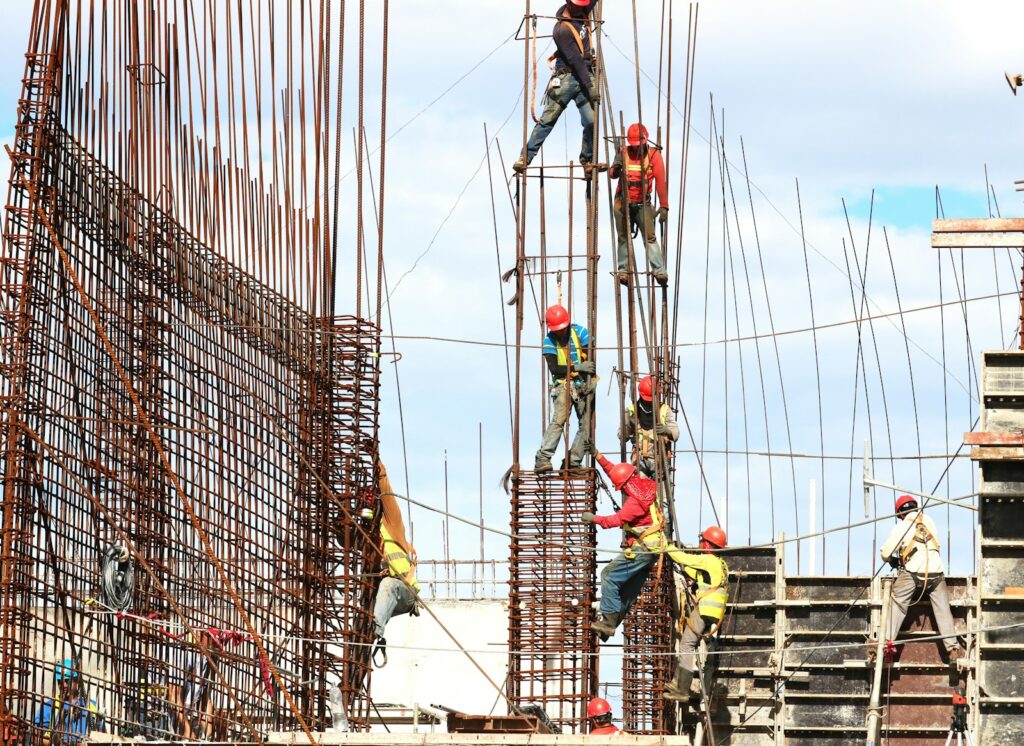
In the last year, falls from a height were the leading cause of fatalities in the UK so they should be taken seriously. Workers have many opportunities to fall from roofs, scaffolding or ladders, as well as into open trenches and excavations. Slips are also common and can be a result of spilt materials, loose flooring or trip hazards.
Employers must provide equipment to prevent falls such as harnesses, safety nets and guard systems. Training should also be provided on how to use the equipment as well as the procedures for cleaning up spills and reporting trip hazards.
Struck by objects
It is not only workers that can fall from a height and cause injury. Objects stacked on roofs or scaffolding can fall, as well as the scaffolding itself. Standing underneath would result in a serious head injury if not death.
One way to reduce these risks is to enforce the use of hard hats whenever anyone is on site. This includes visitors and workers. You should also have prominent warning signs displayed. For serious risks, consider cutting off areas where there is a risk of objects falling such as during demolition.
Electrocutions
Being electrocuted can cause serious injuries such as nerve damage, cardiac arrest and electrical burns. If these injuries aren’t fatal, they can be life-altering. Electrocution can occur due to faulty wiring, contact with live overhead power lines or contact with damaged equipment to name a few.
Proper maintenance should be completed on all wiring, plugs, cords and power equipment regularly to identify faults and avoid accidents. Any wires that have frayed or exposed their inner workings should be put to one side and either fixed or replaced. Taking these preventative measures can help avoid the potentially devastating consequences of electrocution, including legal battles for compensation in cases of negligence.
Caught in/between machines
Whilst only a small number of deaths occur yearly from being caught in machines or tools, it is a nasty situation which can be prevented.
Training is key for all workers who are likely to come into contact with machinery. By instilling safe practices from day one, accidents are less likely to occur. You should also think about the uniform you are asking staff to wear. Long, loose sleeves, for example, could easily become trapped in gears so stipulate that arm coverings must be tight at the wrist, and that long hair should be tied up and out of the way.