4 Modern Methods of Construction
Modern methods of construction (MMC) are transforming the way buildings are designed, following years of concerns regarding profitability and quality.
The UK’s construction sector has grown fastest in more than two years thanks to MMC. Innovative techniques such as flat slab construction are making headway in everything from reducing costs and enhancing efficiency to improving safety standards.
These solutions can help address challenges such as labour shortages and environmental concerns. Here, we explore four popular MMCs that are reshaping the industry.
Flat Slab Construction
Flat slab construction eliminates the need for beams, swapping them out with reinforced concrete slabs supported directly by concrete columns.
This design offers considerable design flexibility, as it allows for open, adaptable spaces that can be easily modified to suit occupiers’ needs. For contractors, the absence of beams simplifies construction processes, significantly reducing project timelines.
It also leans towards streamlined ceiling aesthetics and offers better integration with services such as HVAC systems.
Modular Buildings
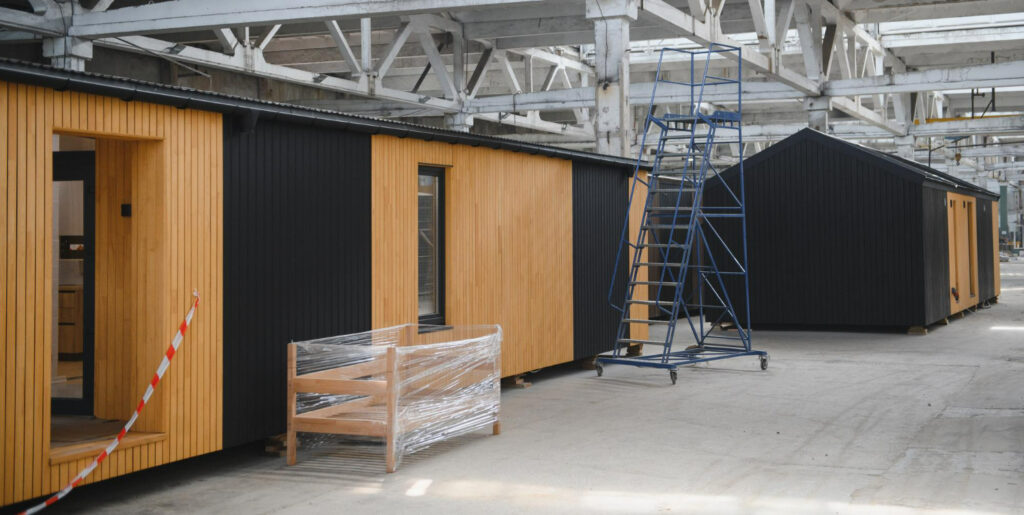
Modular construction involves manufacturing off-site building components which are then transported to the construction site and assembled into a complete structure. These prefabricated modules reduce on-site labour, lowers costs and mitigate delays caused by adverse weather conditions.
For temporary needs such as construction site offices or classrooms, modular building hire is an excellent choice. These units are a rising star due to their potential for portability, reusability, quality control and unmatched versatility.
Thin Joint Masonry
Thin joint masonry uses a thinner layer of mortar (typically 3mm instead of the traditional 10mm) allowing bricks or blocks to be laid faster.
The mortar cures rapidly, reaching full strength within two hours. This method is not only time-efficient but also boosts overall productivity on-site, as more layers can be completed in a single day.
UK contractors are historically slower to embrace eco-friendlier practices than our European counterparts but this solution also offers a greener alternative in construction. Thin joint masonry offers the benefits of reduced mortar depth, which means less material is required.
Twin Wall Technology
This method merges precast and in-situ concrete construction. The process begins with two precast wall slabs separated by lattice girders which are transported to the site, joined and reinforced before the gap is filled with concrete.
With this technology, you can take advantage of the strength of traditional techniques and the speed of precast construction. It’s best suited for projects requiring robust load-bearing walls such as high-rise buildings.
Image: Freepik