How Green Tech Is Transforming UK Manufacturing Industries
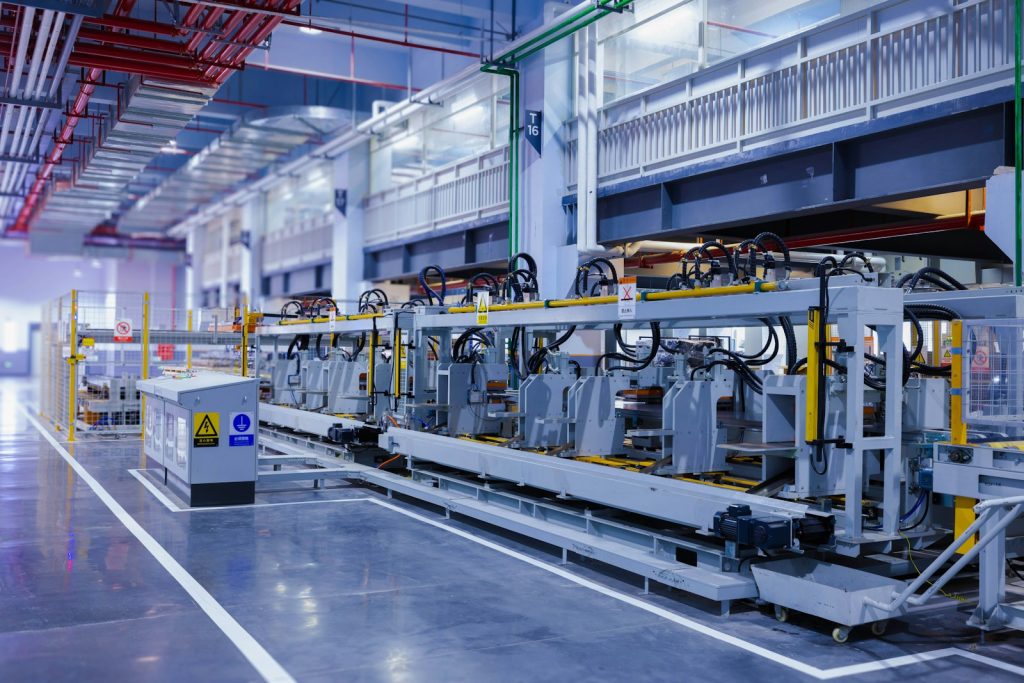
Sustainability is one of the most significant factors in modern manufacturing. From economic output to job security and responsible business conduct, the UK economy depends on the long-term continuation and success of the manufacturing industry, making sustainability an absolute necessity in our modern manufacturing processes.
Read on to learn more about the sustainability improvements that are happening in UK manufacturing right now that are transforming manufacturing in the UK.
Efficient Energy Usage
One of the biggest changes is how factories use energy. In the past, a lot of energy was wasted. Now, many CNC machining companies, such as Siemens, use smart systems with sensors and connected devices. These tools show exactly how much energy is being used at each stage of production. This helps workers find ways to save energy, like turning off machines when they are not needed or changing how they are run.
Another big change is the use of green energy. More factories are now using renewable sources like solar panels or wind power to run their machines. This means they do not have to rely as much on electricity made from fossil fuels, which harm the environment. Some factories are even reusing the heat they make during production: instead of letting the heat escape, they capture it and use it again. This helps enormously to save energy and cut down on waste.
Recycling and Better Use of Materials
Another way factories are getting greener is by changing the materials they use. For example, plastic moulding companies such as Pentagon Plastics are now using recycled plastic to make new plastic products. This helps reduce the need to take more raw materials from the earth.
Packaging is also becoming more eco-friendly. Some companies are using boxes and wrappers that break down naturally over time. Others use compostable materials which are much better for the environment than plastic.
Manufacturers are also thinking more about what happens to their products after people use them. Some are designing items that can be taken apart easily, so the pieces can be fixed or reused. This means fewer things end up in landfills.
Using Smart Technology
New technology is also helping factories work better. For example, aviation, power, and renewable energy manufacturer General Electric (GE) is using artificial intelligence (AI) to monitor how machines are working, known as ‘predictive maintenance’. If something seems wrong, the system can give a warning before the machine breaks down. This saves time and money by preventing big, costly problems.
Another useful tool is something called a ‘digital twin’: a computer version of a real-life factory. Workers can test ideas or changes on the digital twin before trying them in real life. This helps to avoid wasting materials or making expensive mistakes. There is also software that helps factories track how much carbon they are producing. This information makes it easier for companies to see where they can cut back and improve.
Government Support
The UK government is playing a big role in the push for greener manufacturing. The country has a Net Zero target, meaning it aims to stop nearly all carbon emissions by the year 2050. To help reach this goal, the government is offering grants and funding to companies that invest in green technology, helping businesses to afford the changes they need to make.
There are also new rules and standards that make it necessary for factories to become cleaner and more efficient. These rules help ensure that all companies are moving in the right direction. Ultimately, by supporting green technology, the government is helping the UK stay competitive in the world of modern manufacturing.