Why Strategic Planning Is Essential for Commercial Construction Success
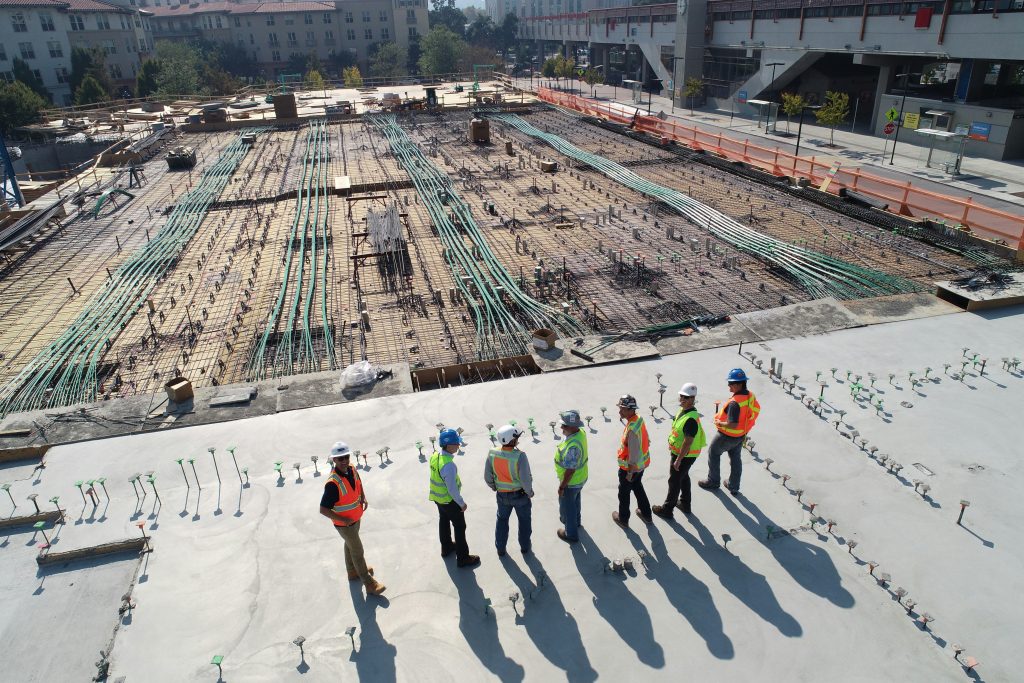
Commercial construction is far more than assembling materials on a job site—it is a carefully coordinated process that requires strategic planning, technical expertise, and effective project management. Whether it’s an office building, retail space, warehouse, or industrial facility, the decisions made before construction begins often determine the project’s overall success.
Every successful commercial project starts with a clear understanding of the client’s objectives, site conditions, budget, and regulatory requirements. Conducting feasibility studies, assessing soil conditions, evaluating utility availability, and reviewing local zoning regulations help identify potential challenges early. Addressing these factors during the planning phase minimizes costly delays and reduces the likelihood of design changes later in the project.
Design coordination is another critical aspect of commercial construction. Architects, structural engineers, MEP consultants, and contractors must work together from the beginning to ensure that every component of the building functions as a single, integrated system. Early collaboration not only improves efficiency but also helps prevent construction conflicts and unnecessary rework.
Cost management is equally important. While construction costs vary depending on location, building type, materials, and project complexity, a well-prepared budget supported by a detailed Bill of Quantities (BOQ) provides greater financial control throughout the project. Including realistic contingency allowances also helps businesses manage unforeseen expenses without disrupting the overall schedule.
Quality and compliance should never be treated as afterthoughts. Adhering to applicable building codes, safety regulations, and industry standards ensures that the completed structure is safe, durable, and ready for long-term use. Regular inspections, material testing, and systematic quality assurance contribute significantly to the performance and lifespan of a commercial building.
Choosing the right construction partner is one of the most important decisions a developer can make. Beyond competitive pricing, an experienced contractor brings technical knowledge, transparent communication, efficient project management, and a commitment to quality. These factors often have a greater impact on project outcomes than selecting the lowest quotation.
As commercial developments continue to grow in complexity, businesses benefit from working with teams that understand every stage of the construction lifecycle—from feasibility and design to execution, commissioning, and final handover. A structured approach not only improves project efficiency but also protects the long-term value of the investment.
Planning a commercial construction project? Working with experienced professionals from the earliest stages can help you make informed decisions, manage risks effectively, and deliver a project that meets your business goals on time and within budget.