How Builders Can Prioritise Safety and Comfort in Winter
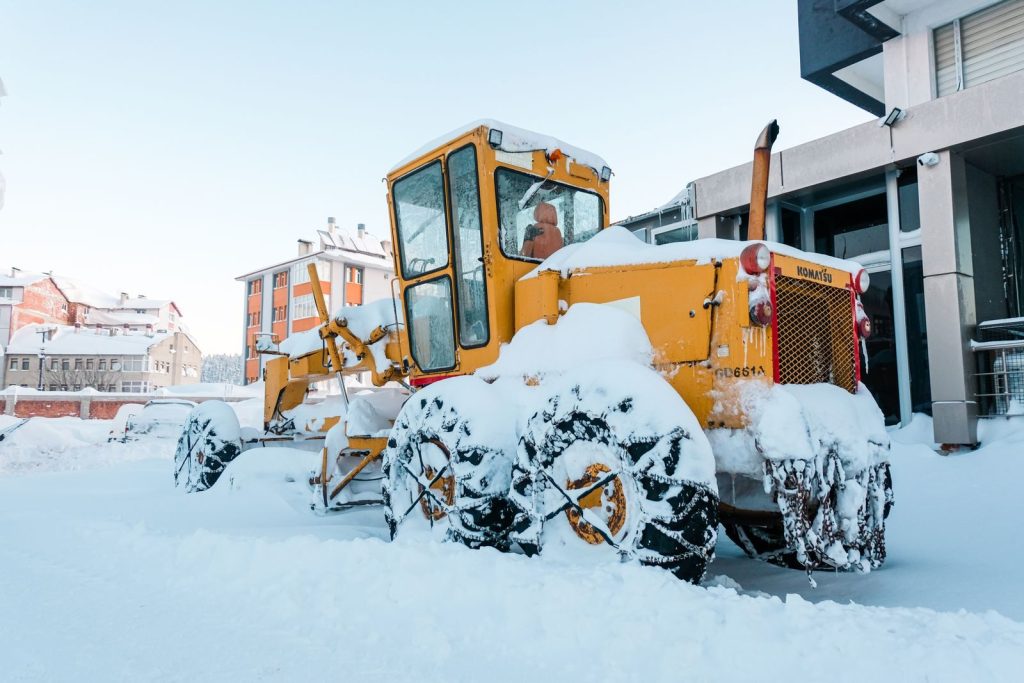
Winter creates additional challenges for builders working across the UK. Freezing temperatures and shorter daylight hours can make everyday tasks more demanding. Conditions can affect your concentration and ability to work safely. Icy surfaces increase the risk of accidents, while prolonged exposure to low temperatures can leave you feeling tired and uncomfortable. With tight deadlines and demanding workloads, it’s tempting to push through difficult conditions. However, sensible preparation and practical working habits can help you maintain productivity without compromising your wellbeing.
Prepare for Winter Site Hazards Before Work Begins
Winter weather can change site conditions overnight, making morning safety checks particularly important. Before starting work, inspect access routes, scaffolding and exposed surfaces for ice or standing water. Clear snow from walkways and spread suitable grit across slippery areas. For example, treating the route between your materials storage area and work zone reduces the likelihood of slipping while carrying heavy equipment. Check temporary lighting and electrical cables, too. Shorter daylight hours can make uneven surfaces harder to spot, while damaged cables create additional risks in wet conditions.
Choose the Right Clothing for Warmth and Mobility
Your winter workwear should provide insulation without restricting movement. Heavy, bulky garments can make climbing ladders and handling tools more difficult.
Layering offers flexibility throughout the working day. A moisture-wicking base layer helps keep sweat away from your skin, while an insulating middle layer retains warmth. A waterproof outer jacket protects against wind and rain.
For particularly cold conditions, wearing heated work trousers can provide additional comfort when you’re standing for extended periods or completing tasks that involve limited movement.
Insulated gloves with suitable grip also help you handle tools comfortably. Choose clothing that fits properly alongside required PPE.
Protect Your Health During Cold Weather
Cold temperatures can affect your physical comfort and concentration, particularly during demanding tasks. When your muscles feel stiff, lifting heavy materials or performing repetitive movements may become more uncomfortable. Gentle movement before strenuous work can help your body adjust.
Regular breaks in a warm welfare area allow you to recover from prolonged cold exposure. For example, spending a few minutes indoors after working outside all morning can help restore comfort before you return.
Remember to drink water throughout the day, even when you feel less thirsty. Persistent shivering or numbness can indicate cold-related health problems that require prompt attention.
Stay Updated on Weather Conditions and Site Requirements
Checking weather forecasts helps you anticipate changing conditions and adjust your workload accordingly. Review Met Office forecasts and weather warnings before travelling to site. Strong winds, for example, can make handling large panels or working at height particularly dangerous.
Stay informed about your site’s safety procedures and emergency arrangements. If conditions deteriorate, speak with your supervisor about postponing exposed tasks until the weather improves.
Build Safer Habits This Winter
Winter safety depends on everyday decisions. When you recognise hazards early and respond appropriately, you protect yourself and support colleagues who share your workspace. Taking time to address uncomfortable or unsafe conditions also helps you avoid unnecessary disruption. A successful winter means completing quality work while ensuring everyone returns home safely.