How Builders Can Maximise the Efficiency of an Office through Fit-Outs and Refurbs
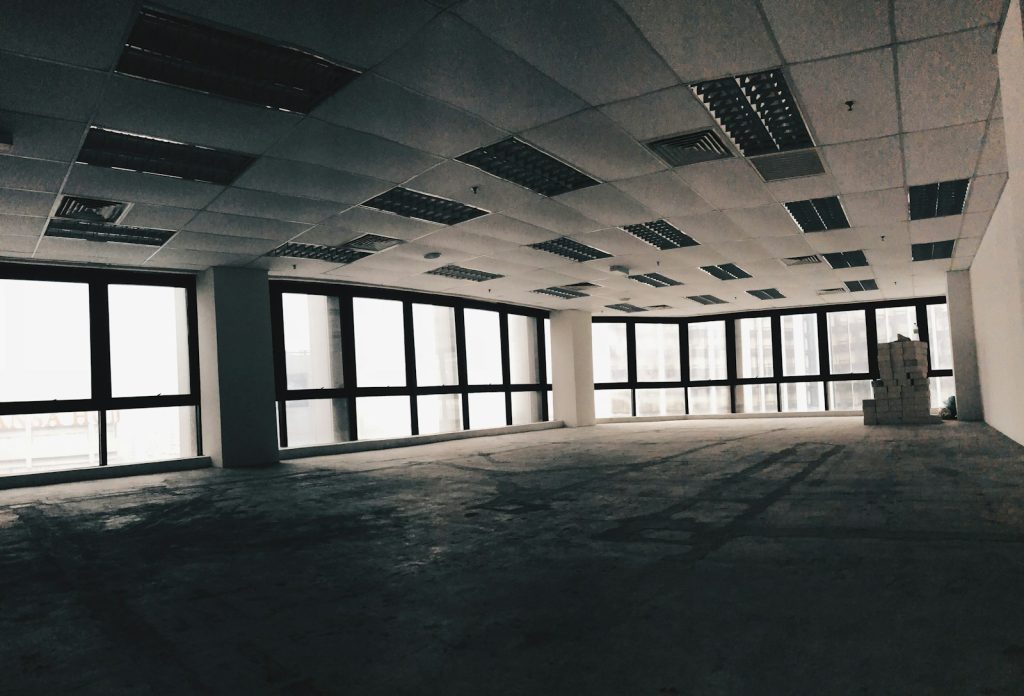
As hybrid work models become the norm, builders have a key role in shaping spaces that support flexibility, efficiency, and wellbeing. Modern office fit-outs and refurbs are about much more than aesthetics: they’re strategic upgrades that enhance the performance of a workspace. By focusing on how people use space and ensuring the environment adapts to their changing needs, read on to learn how builders can deliver offices that are not only efficient now, but also capable of adapting and remaining relevant well into the future.
Flexible Use of Space
The traditional layout of fixed desks and enclosed meeting rooms is giving way to dynamic, multi-use spaces. As hybrid and remote work become standard, offices are being reimagined to accommodate a more fluid and efficient mode of working.
Hot desking is one prominent shift. Rather than allocating a desk to every employee, builders can create offices that give way to flexible seating arrangements, allowing people to choose where they work during their in-office days. This not only maximises space but also supports efficient collaboration, as it enables team members to sit together according to the day’s priorities.
Many builders are also creating offices with adaptable meeting areas. With the surge in virtual collaboration tools like Microsoft Teams and Zoom, meeting spaces must be ready for both face-to-face and remote participants. Modular rooms with movable partitions, mobile furniture, and acoustic panels that can be reconfigured on demand are all ways of ensuring your office can pivot easily to meet the workplace’s changing needs.
Open and Closed Plan
The layout of an office is another important consideration; thoughtful planning by the construction team will ensure the office environment aligns with the team’s needs and goals. An open plan office design will promote transparency and communication, which is a great choice for startups and collaborative teams. On the other hand, a closed plan layout will likely be best for quieter teams that will spend the majority of their time working independently.
Alternatively, hybrid office designs that combine elements of both an open and closed office will flexibly cater to a diverse range of work styles. By creating areas that offer both collaboration and quiet focus, an office space will effectively support flexibility, efficiency, and employee satisfaction, especially in modern workplaces where adaptability is key.
Acoustics
Upgrading an office with suspended ceiling tiles can be an effective way to improve noise pollution in an office space. These tiles are designed to improve sound insulation within an office space, helping employees to concentrate and work more efficiently. Suspended acoustic ceilings are also available in a range of different types and styles as well as being available as part of a bespoke ceiling project, meaning they can fit in with a huge range of different sizes and types of offices. This also improves the energy efficiency of your office as it reduces the use of electricity to drown out noise or cover the sound up with something else, such as music or white noise.
Biophilic Design
Biophilic office design is one excellent way to bring the relaxation and calmness of the great outdoors into the office environment by incorporating elements of nature and the outdoors into the internal office space. This technique has been proven to benefit employee mental health and directly contributes to increasing efficiency, productivity, and lowering stress levels. Designs that connect employees to nature throughout the working day will boost both focus and productivity, making it not only beautiful, but a particularly worthwhile investment in the long run.
Making Space for Tech
Intelligent office features are no longer a luxury: in 2025, they’re expected. Builders are now weaving technology into the fabric of modern office design as a way to streamline operations and create seamless working environments.
Smart lighting and climate systems are one of the easiest ways to achieve this. These adaptive tools use sensors to adjust the light levels and room temperature based on the office’s occupancy and the time of day. Not only is this far more efficient in terms of energy costs, with sustainability being an increasingly important consideration for forward-thinking companies, but it also maintains a comfortable and productive work environment.