Why furniture installation shouldn’t sit with site teams
On a lot of projects, furniture installation ends up being squeezed in at the very end.
The build is nearly finished, the programme is tight, and the furniture turns up on site.
Someone needs to deal with it, so it gets added to the list and handed to the site team. After all, it is already there and the team is on hand.
It feels practical at the time, but this approach often causes more problems than it solves.
Furniture installation is a different skill set
Site teams are skilled at what they do, but installing furniture is not the same as general construction or fit-out work.
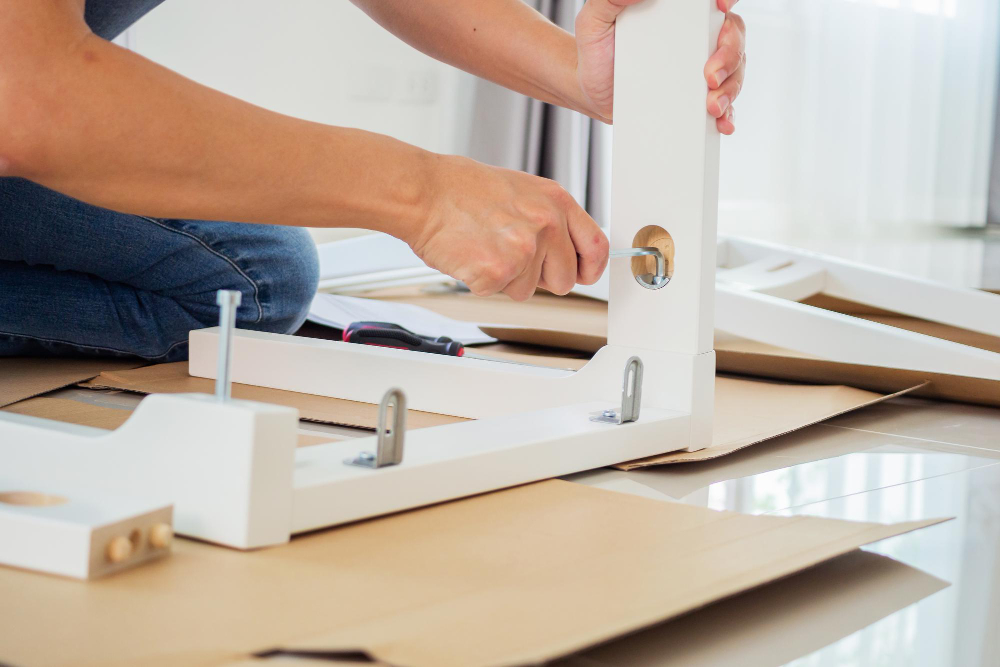
Furniture needs to be installed exactly as intended by the manufacturer. That usually means careful levelling, precise fixing and attention to finished surfaces. Small mistakes are very visible and can be hard to put right once a space is completed.
When furniture is treated as just another task on the snagging list, issues tend to creep in.
Time pressure leads to avoidable mistakes
Furniture installation almost always happens at the busiest point of a project. Other trades are still finishing up, cleaners are booked, and handover dates are fast approaching.
In that environment, even experienced teams are under pressure to move quickly. That is when floors get scratched, walls get marked and furniture ends up being rushed into place rather than installed properly.
These are not major errors individually, but they add up and often come back as last-minute problems just when everyone wants the job signed off.
This is something specialist furniture installers see regularly on site.
“Furniture installation usually happens right at the end of a project, when everyone is under pressure to finish,” a spokesperson at furniture installation and logistics company SFI commented “That’s when rushed installs lead to damaged finishes or furniture not being fitted as intended. In our experience, planning installation separately helps avoid a lot of last-minute issues.”
Finished sites are at their most vulnerable
By the time furniture arrives, most finishes are already in place. Floors are down, walls are painted and joinery is complete.
Any damage at this stage stands out and is harder to repair without disruption. It can also push handover dates or create awkward conversations with clients.
Specialist furniture installation teams are used to working in completed spaces. They protect surrounding finishes, handle items carefully and reduce the number of people touching the furniture.
Site teams have better things to be doing
When site teams take on furniture installation, it often pulls them away from more important close-out work.
Instead of focusing on snagging, coordination or final checks, time gets spent managing deliveries, moving furniture around site and trying to work out where everything needs to go.
Using specialist delivery and installation teams allows site teams to stay focused on finishing the build, while furniture is handled separately and at the right time.
Furniture often needs managing before it reaches site
Another common issue is timing. Furniture rarely arrives exactly when rooms are ready.
Some areas may still be unfinished, access might be restricted, or installation may need to be phased. Without off-site storage or proper coordination, furniture ends up sitting on site, getting in the way or risking damage.
This is where working with a specialist partner like SFI can help. By handling storage, delivery and installation together, furniture can be brought to site only when it is needed and installed in one visit.
Clear responsibility makes life easier
When site teams install furniture, responsibility can quickly become unclear.
Was damage caused during delivery or installation
Was the furniture fitted to specification
Who is responsible for fixing it
Using a specialist furniture installation service creates a clear line of responsibility. One team is accountable from delivery through to installation, which simplifies problem solving at the end of a project.
When specialist furniture installation makes sense
It is usually worth bringing in specialist support when:
- Furniture is high value or bespoke
- Interiors are already finished
- Installation needs to be phased
- Storage is required before delivery
- Projects involve multiple sites or handovers
In these situations, asking site teams to install furniture often introduces unnecessary risk.
A more considered approach at the final stage
Furniture plays a big role in how a completed project looks and feels. Treating its delivery and installation as a planned part of the build, rather than a last-minute task, helps protect that final result.
For builders and site managers, separating furniture installation from general site work is often less about cost and more about control. It reduces pressure, limits damage and helps projects reach handover in better shape.