Emergency response planning for remote building sites
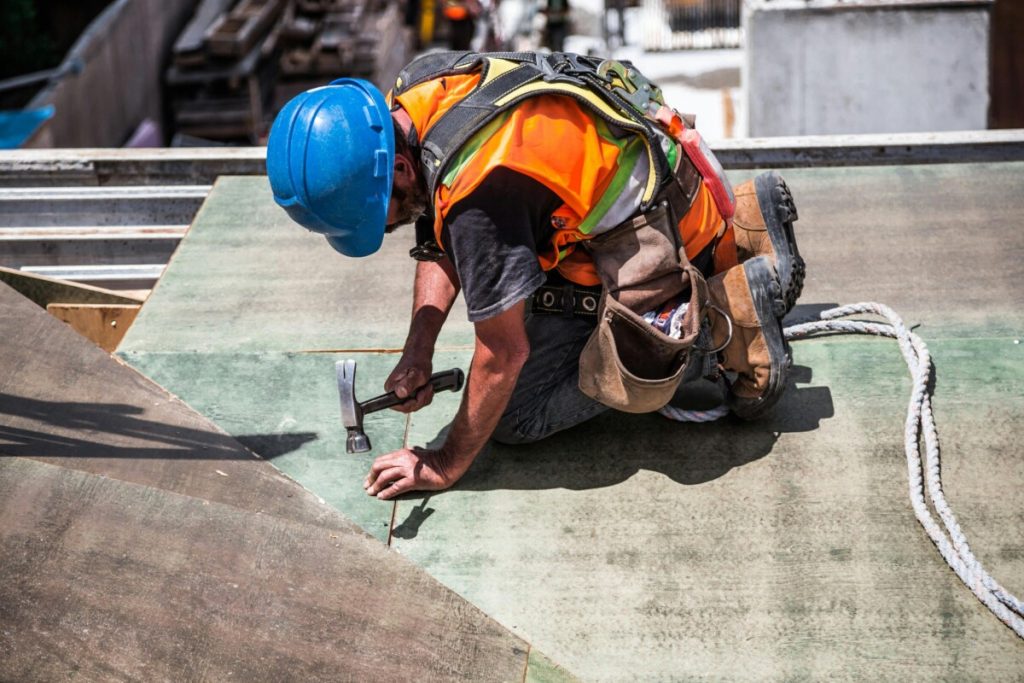
Working in a remote building site presents more safety challenges than city projects. Medical help can be hours away, roads might be unreliable, and crews are often small. If you don’t lay a proper safety plan, emergencies can escalate quickly and compromise both employee health and safety compliance.
This means remote construction managers need to establish more comprehensive incident and emergency response processes, from complete first aid kits to employee training.
This guide walks you through practical steps to create a robust emergency response plan for remote sites.
Identify realistic emergency scenarios
The best starting point is always considering what could go wrong on your site. Not every hazard applies to every project, but you need to be fully prepared for all possible incidents.
Take a careful look at the conditions you are operating in, the tasks at hand, and the general environment. You can then assess them in terms of:
- Medical emergencies like equipment injuries, falls from height, heat stress, and sudden illnesses.
- Fire and explosions – can happen from welding, fuel storage, or electrical faults.
- Environmental hazards – things like flash floods, landslides, or extreme temperatures.
- Structural or excavation risks – trenches can collapse, and scaffolding can fail. Uneven terrain can also cause falls.
Once you identify the risks, you can prioritise them by how likely they are and how severe their impact could be. This will help you plan better as some scenarios will need more preparation than others.
Properly equip the site with safety and emergency response products
The next step is to equip the site with the appropriate safety products based on the risks you identified and what your teams might need in an emergency.
Some key items to have are:
- Medical supplies such as first-aid kits, trauma kits, and burn kits. They should always be stocked.
- Communication devices like satellite phones or two-way radios.
- Fire and hazard control equipment, such as first extinguishers, spill kits, and safety harnesses.
- Evacuation tools such as stretchers.
At all times, these should be easily accessible and fully functional.
Develop step-by-step emergency response procedures
Emergencies often bring confusion, so it’s necessary to have actionable procedures that can guide all workers. However, different emergencies require different actions, and it’s important to have a plan for each.
Consider:
- The actions that need to be taken immediately. Say calling emergency services and administering first aid.
- Evacuation steps like safe routes and assembly points.
- Communication protocols in terms of how to contact local emergency services and maintain contact with the team.
- Coordination with external services, like sharing site maps with fire departments or rescue teams in advance.
Try to keep the procedures as simple as possible and add a bit of visual aid to help people understand easily.
Train your team regularly & assign roles
Even the best of plans can fail if people don’t know their roles and how to act under pressure. Training is a key part of any safety procedure, and you should start by ensuring all staff and workers know about the various risks on the site.
They should also understand the procedures you’ve put in place and how to access and use the various safety and emergency response products and equipment. Every now and then, run drills to simulate scenarios that reflect actual conditions on your site.
Additionally, ensure each team member knows their roles and responsibilities during an emergency. Who leads first aid? Who calls emergency services? And who directs the evacuation?
Review and improve continuously
After every drill, near-miss, or actual incident, take time to evaluate. Identify the things or procedures that worked well and those that didn’t. Note down the gaps that were visible, whether that’s in coordination or equipment that wasn’t easy to access.
You can then use this information to improve. Maybe update procedures, retrain staff, or buy more safety and emergency products. Ensure you keep records of all these as they’ll help plan for the future and are also a key part of compliance.
Photo by Burst(Pexels)